A composite reflection drawn from the experiences of Strategy Design Cohort participants.
I joined the Strategy Design Cohort because I felt stuck.
I work in a civil society organisation alongside partners, communities, and networks that face very different realities. We realised we needed to revisit our strategy, but the prospect felt overwhelming. We faced competing demands from funders, colleagues who were stretched thin by immediate work, partners dealing with the consequences of political uncertainty, and pressure to produce something that looked coherent on paper.
Initially, I thought I needed a better framework for our strategy. What I discovered, however, was that I needed a different way of thinking about strategy altogether.
I stopped attempting to do it by myself.
Before joining the Cohort, I viewed strategy as a solitary task where I would draft a plan, seek approval from the senior management team and the board, and then try to rally support. This approach felt isolating and less effective than I hoped.
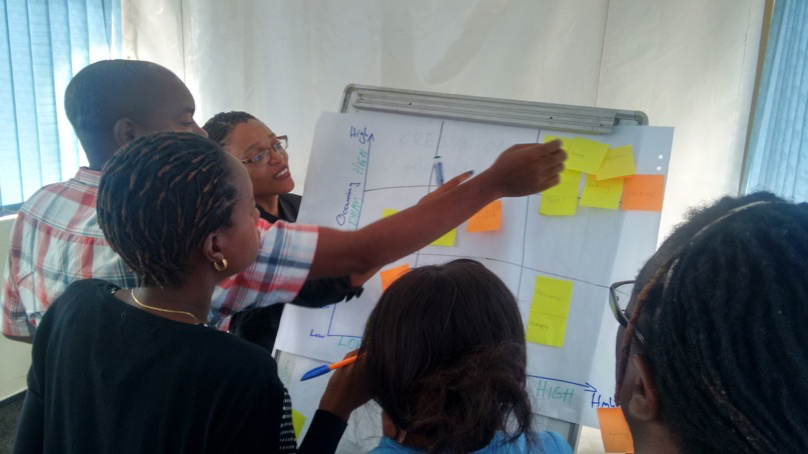
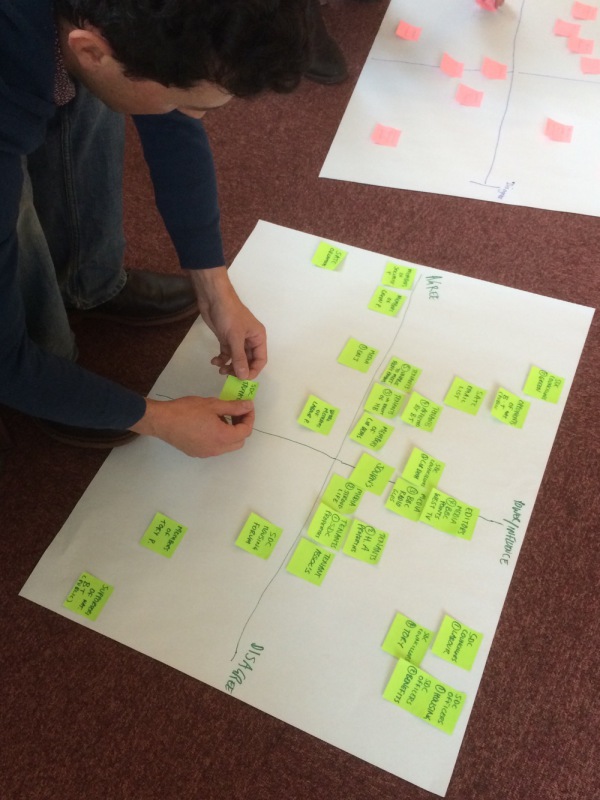
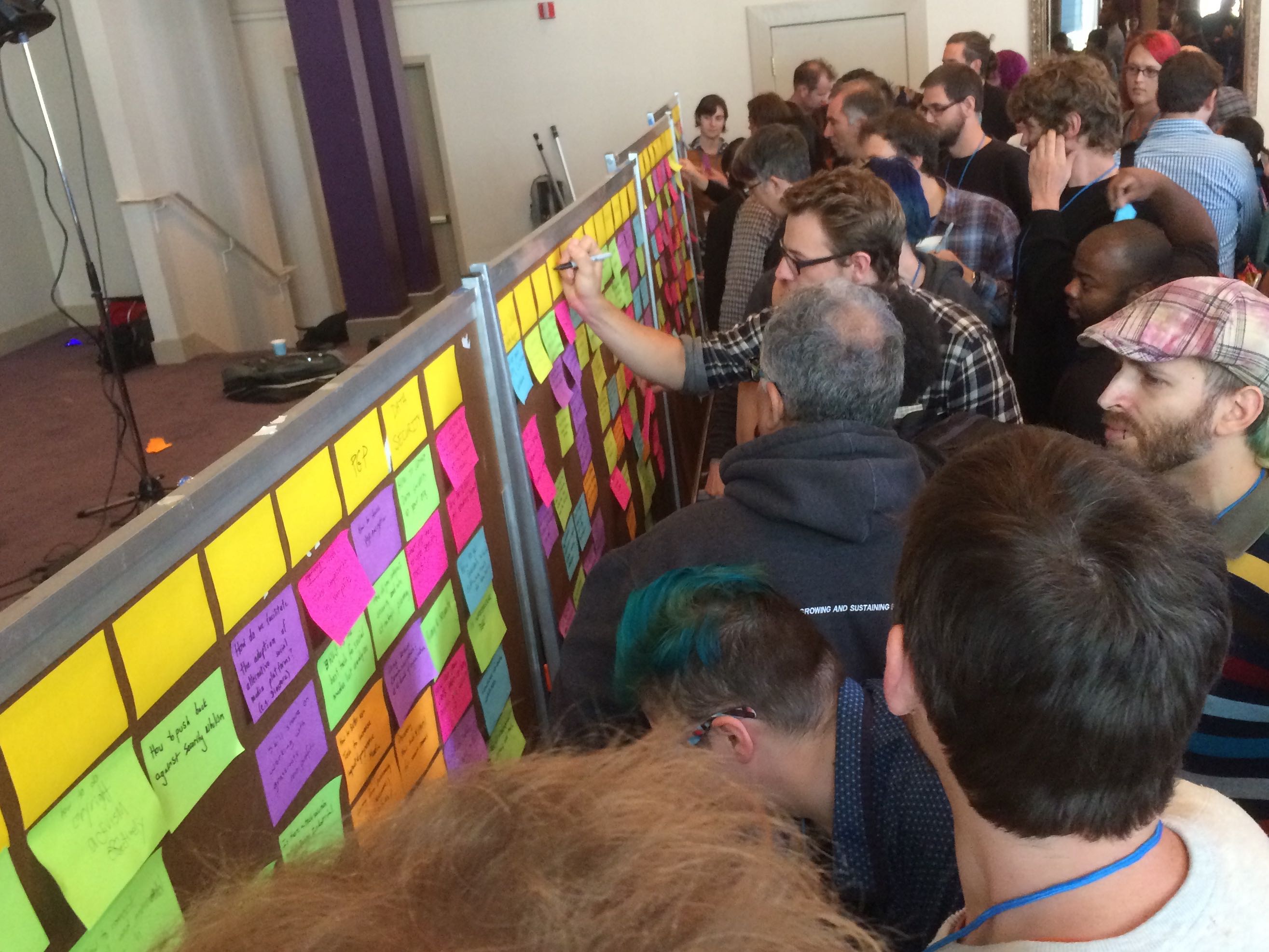
One key insight I gained was that strategy should be a collaborative journey with staff, partners, and communities. The Cohort provided me with tools to involve others meaningfully and amplify unheard voices in the planning process.
I shifted from delivering presentations to asking engaging questions: What insights are we missing? Which priorities resonate with us? What can we let go of to honour our values? This change enriched our discussions. Now, instead of arriving with all the answers, I aim to foster a collaborative environment where shared solutions can thrive. Together, we’re crafting strategies that resonate with everyone’s hopes and dreams.
I gained a clearer understanding of power.
I’ve gained a clearer understanding of the role of power in our strategic processes, and I’m inspired by how power dynamics influence discussions and outcomes. Recognising who shapes our priorities can enrich our strategic conversations.
Strategies from the top may overlook insights from those facing challenges. While funder timelines are important, we shouldn’t lose focus on what truly matters.
This presents an exciting opportunity for collaboration. By engaging partners early and prioritising local needs, we can develop inclusive strategies that make a meaningful impact. We must share ownership of the journey and embrace it together.
I learned to treat strategy as a living practice
We had a theory of change that looked promising and was easy to explain in proposals. It gave an impression of certainty. But my colleagues and I rarely used it to guide everyday decisions.
During the cohort, I began seeing it as a dynamic set of hypotheses rather than a finished product. We refined broad ideas into specific assumptions, considered the evidence we had, reflected on what we were learning and named what we were still hoping would become true.
That shift was freeing. Revising our theory of change became evidence that we were learning and paying attention, rather than a sign that we had failed.
I felt more ready for uncertainty.
Like many civil society organisations, we work in a landscape where plans can shift quickly because of funding changes, political developments and the changing needs of the communities we serve. The cohort helped me see that this is not a reason to avoid strategy; it is a reason to approach it differently.
We have adopted simple practices, including brief strategy check-ins and questions that help us assess new opportunities. By regularly stress-testing our assumptions, we are better able to adapt together while staying connected to our mission.
The goal is not to predict everything. It is to make sure we can respond deliberately, without losing sight of the people and purpose at the heart of our work.
I found people who understood
One of the most valuable parts of the cohort was the peer group. Talking with people from grassroots organisations, charities and civil society groups who were navigating similar challenges—limited resources, competing responsibilities and difficult choices about power and relationships—was reassuring.
I came away with practical tools, but also renewed confidence. It was helpful to know that I was not alone in finding strategy difficult. Having peers who asked thoughtful questions and openly shared their own experiences made the work feel more manageable.
Why I would recommend The Strategy Design Cohort to others
I would recommend the Strategy Design Cohort to anyone in a grassroots group, civil society organisation or charity who wants to draw more fully on the knowledge, experience and collective power of the staff, partners and communities involved in their work. It offers dedicated time to work on real strategic challenges, alongside practical ways to involve people meaningfully from the start.
A key benefit is learning from Dirk’s decades of experience supporting social-change organisations to design, implement and keep strategies alive. His frameworks, facilitation methods and questions help participants engage boards, staff, partners and communities in ways that fit their contexts.
I left with clearer questions, practical tools and renewed confidence in making strategy a collective practice. Strategy has become less like a static document and more like a shared way of returning to purpose, making choices and adapting when circumstances change
If you are looking for thoughtful structure, practical tools and a peer group to help you design strategy more collaboratively, learn more about the Strategy Design Cohort and apply using the short form. The next cohort is expected to start in late September 2026.