Get the Fabupdate in your inbox – subscribe here.
A lot of what we do at FabRiders sits at an intersection that doesn’t always have a tidy name: helping organisations think well together, make better decisions about power, and build the capacity to act on both.
This issue covers strategy design, collective tech migration, facilitation at RightsCon, the Collective Power Playbook — and, in the background, our ongoing attempts to learn Welsh.
The thread running through all of it: how we do things shapes what we’re actually capable of achieving.
Participatory Strategy Design: From Festival to Cohort
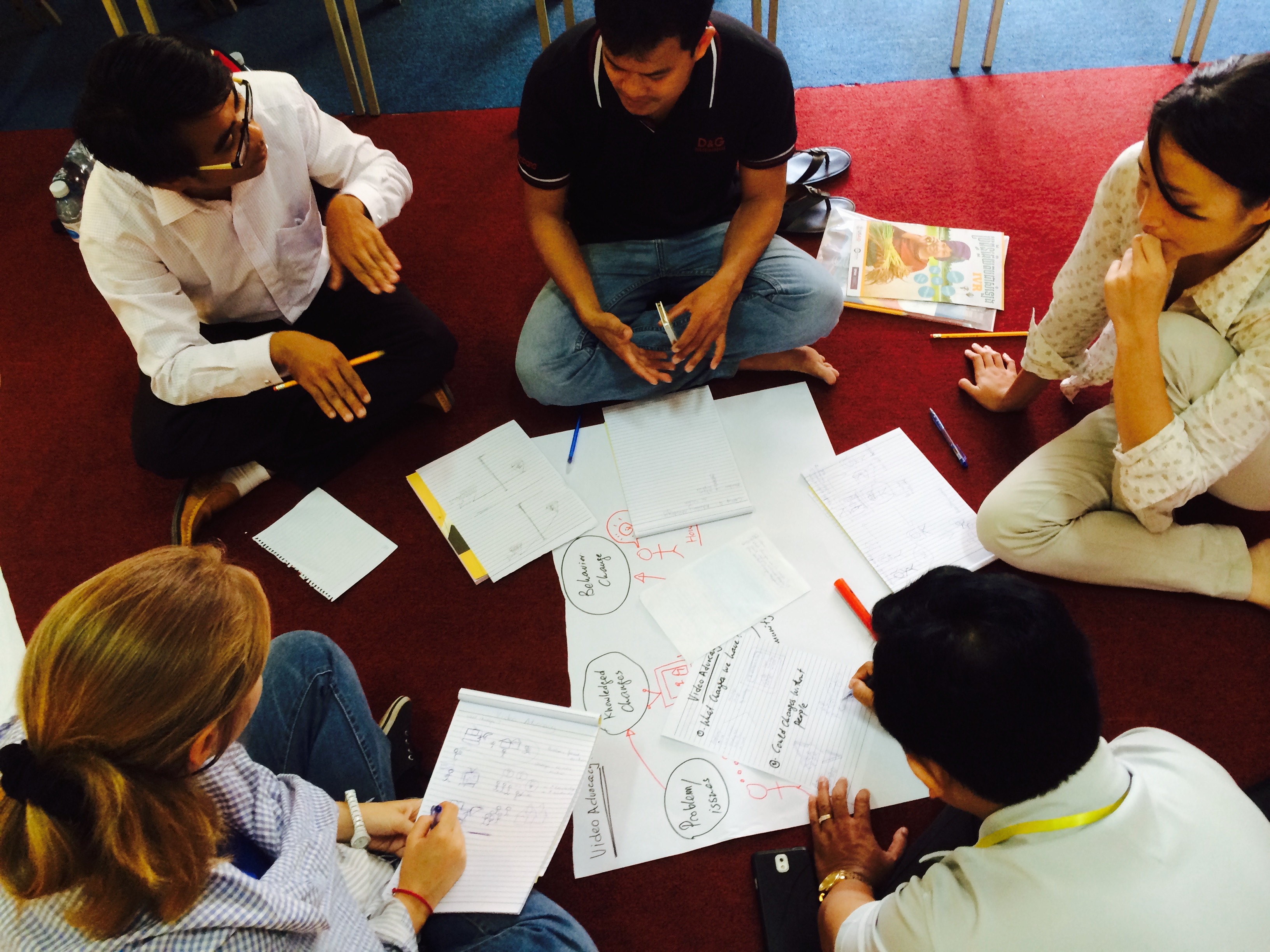
In January we brought together civil society leaders, organisers and strategists for the first Strategy Design Festival in London, built around one unsettling question: what if we treated strategy less like a document and more like a living practice?
Out of that day came a series of blog posts:
- Strategy is a verb, not a document — key takeaways from the Festival
- Your Theory of Change isn’t a Theory — turning tidy diagrams into living hypotheses
- Strategy is Always About Power — whether you name it or not
- Keeping Strategy Alive and Real — keeping strategy connected to daily decisions
- Strategy is Hard — and Even Harder in Isolation — on solidarity and the structural barriers to good strategic thinking
The most consistent ask from Festival participants: more time, in small groups, with continuity, to work on their own challenges. So we built it.
The Strategy Design Cohort is a 6-session online programme for civil society leaders who want strategy to be a living practice, not a document the board asked for. Our first cohort is underway. Applications are now open for the next round, starting mid-May 2026.
We’re also delighted that the Global Initiative for Economic, Social and Cultural Rights (GI-ESCR) has just launched their new strategy — developed through a participatory process that FabRiders guided. A great example of what’s possible when strategy is designed with people rather than handed down to them.
Rise Against Big Tech: Moving Away — Together
We’re part of the Rise Against Big Tech (RABT) Coalition — a campaign for organisations ready to move towards tools aligned with collaboration, transparency, equity, community control and democracy.
What we value most about RABT: the shift from individual technology decisions to collective ones. Moving away from Big Tech shouldn’t be a lonely, technical slog — it should be an organisational conversation.
We’ve developed a workshop curriculum to help organisations start that conversation, and we’ve been writing for the Internet Exchange:
- Rise Against Big Tech: A Movement for Collective Digital Freedom
- What Do We Want to Stop Using Google Docs? When do we want it? TBH, it’s complicated.
If your organisation needs bespoke support for this shift, FabRiders offers Values-Aligned Tech Migration services.
We’ve also been impressed by Mind’s year-long inquiry into AI and mental health — triggered by investigations into harmful advice from Google’s AI Overviews. Civil society organisations finding their voice here matters.
See You At, Around and Behind RightsCon?
We’re heading to RightsCon in Lusaka. We’re running a workshop for Global Partners Digital and facilitating our own session: A Recipe for Facilitative Leadership.
We’ve also been working behind the scenes, contributing to the Session Organisers Hub — including session design templates and a “five things to avoid” guide — and running online Session Design Trainings and orientation sessions for organisers ahead of the conference.
If you’re running an online workshop at RightsCon, check out Kolab — from our colleagues at TechChange. Think Zoom, Spatial Chat and Miro rolled into one.
Other events worth your attention:
- European Campaigning Forum, Oxford — 14–16 April. We wish we could be there.
- Digital Rights Global Gathering, Estoril, Portugal — now accepting applications.
The Collective Power Playbook
We’re developing the Collective Power Playbook — a resource for organisations that want to build and use collective power more intentionally.
Right now we’re trialling a power analysis exercise and would love your input. Join the discussion list to get involved.
What We’re Reading
Building Resilient Organizations — Maurice Mitchell, The Forge
Names ten tendencies that weaken progressive organisations and proposes a framework for structural, ideological, strategic and emotional resilience. If you’ve ever felt something is “in the water” in your organisation without being able to name it, this is the essay.
Where Duolingo Falls Down: How I Learned to Speak Welsh With My Mother — The Guardian
We’re learning Welsh ourselves. The article gets at what the app economy consistently misses: language is fundamentally relational, not transactional.
Why Strengthen Community Digital Archives in the Face of AI and Deepfakes — LPML Blog
A timely argument for why communities need to take ownership of their digital archives before AI and deepfakes make that work even harder to defend.
Work With FabRiders
If anything here connects with a challenge your organisation is facing, we’d love to talk. We work with civil society organisations, networks and movements on:
- Participatory strategy design
- Facilitation and session design
- Values-aligned tech migration
- Collective power building
Get the Fabupdate in your inbox – subscribe here.